Common side effects from Head and Neck Cancer treatment...
Many types of surgery will change the way you look – this may be temporary or permanent. Today’s surgical techniques mean that scarring is unlikely to be significant for most people. Scars from surgery are often hidden in the neck or in skin creases on the face. They are barely visible and often fade over time.
Face – If part of the jaw, nose or skin is removed, your face will look different. Some people will have a reconstruction with a prosthesis, which is a soft plastic replacement for the tissue that has been removed. A prosthesis is fitted permanently and blends in well with your own features. If you are likely to need a prosthesis, the doctor will discuss this with you before the operation.
Jaw – In some cases, your surgeon will cut through your jaw (mandibulotomy) and reconstruct it with a plate. This involves a cut through your chin and lip, and the scars will be visible for some time.
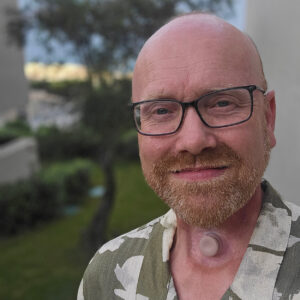
Neck – After head and neck surgery, you will experience scarring and swelling in the head and neck areas. This swelling can be temporary or permanent and may change your appearance. You may have a hole in your lower neck (stoma) and may also have scarring.
+ Weight Loss
Radiotherapy to your head and neck area can make you lose weight because you may have:
- A sore or dry mouth
- A poor appetite
- Taste changes due to treatment
- Difficulty swallowing due to soreness or swelling in your throat
These effects might be temporary and gradually go back to normal after a few months when the treatment ends. But for some people the effects may be permanent. There are things you can do to help keep your weight up though.
+ Hair Loss
Radiotherapy to the head always causes some hair loss. If you are having treatment to a part of your head or neck, your hair only falls out in that area. You might also have some hair loss on the opposite side of the head or neck, where the radiotherapy beams pass through. This is called the exit site.
You might want to cut your hair short before the treatment starts. This may make the change less noticeable and easier to cope with. But speak to your doctor beforehand to check on how much hair you might lose.
When your treatment finishes, your hair usually grows back. But it might not be quite as thick as before and in some people, can be patchy. The more radiotherapy you have had, the longer your hair will take to grow back. It may grow back a different colour, or curly when it used to be straight.
Men may have a permanent loss of beard growth depending on the position of the radiotherapy beams and the treatment dose..
+ Managing Appearance Changes
You may be distressed or embarrassed about these changes. Give yourself time to adapt. You may be concerned that if you have surgery or reconstruction to your face, or you have a tracheostomy or feeding tube, this will also change your partner’s attraction to you.
Try to see yourself as a whole person (body, mind and personality) instead of focusing on what has changed. Many people find it helps to talk things through with a counsellor, friend or family member.
You can also consult a reconstructive surgeon, who may be able to make physical changes (such as scars) look less obvious, or rebuild parts of your face and neck using tissue from other parts of your body.
Talk to your doctors about how surgery and reconstruction will affect your appearance. You may also like to visit Look Good Feel Better at lgfb.org.au or call Cancer Council 13 11 20 for tips and workshop details.