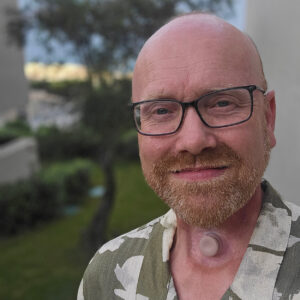
Common side effects from Head and Neck Cancer treatment...

+ Dry Mouth
Radiation to the head or neck can cause dry mouth (xerostomia). This can make chewing difficult and increase your risk of developing cavities in your teeth, so maintaining good oral hygiene is essential.
+ Managing Dry Mouth
- Speak to your dentist about an oral care plan and have regular check-ups.
- Carry a water bottle and have frequent sips of fluid with your meals.
- Avoid fluids that are dehydrating, e.g. alcohol or highly caffeinated drinks.
- Avoid dry foods, hard lollies, chips, nuts, crackers and toast.
- To stimulate saliva, try tangy foods, such as lemons or fruit, or sugar-free pastilles, mints or jubes.
- Make soft, moist meals, e.g. add gravies or sauces, use minced meat, have soups and casseroles, and add custard or cream to desserts.

+ Mouth Sores & Ulcers
Mouth sores are common during chemotherapy and radiotherapy treatment. The sores can form on any soft tissue in your mouth, causing difficulty in eating, talking and swallowing. Your doctor can give you medicines to reduce the pain when you eat, drink or speak. You may also use pain relief medications that can be applied directly to the mouth sores to numb them.
Your dietitian may assist you with choosing foods to minimise discomfort. You may need to choose softer foods and nourishing fluids. Depending on the severity of your pain, a feeding tube may be needed to meet your nutritional needs.
+ Managing Mouth Sores & Ulcers
- Talk to your doctor about mouthwashes or medication to relieve ulcers and to keep your mouth fresh.
- Replace your toothbrush often to reduce infections. Run warm water over bristles before brushing, and brush gently.
- Avoid vinegar, spices, salty foods, alcohol, very hot or very cold foods and drinks, citrus and tomato-based food or juice.
- Try drinking diluted non-citrus juices such as pear or mango.
- Rinse your mouth and throat with warm saltwater or a mix of 1 tsp salt, 1 tsp baking soda and 4 cups of water.
- Don’t use mouthwashes with alcohol, as they may irritate ulcers.
- Tell your doctor or dietitian if you have ongoing or severe difficulty swallowing.
+ Difficulty Kissing
Surgery to the mouth may reduce sensation in the tongue or lips, which can affect the enjoyment and stimulation from kissing. This feeling should return in 12–18 months. Some side effects (such as dry mouth, bad breath due to changes in oral bacteria, poor tongue and lip movement, scars, or a stiff neck and jaw) can also make kissing difficult.
Some people eventually regain some movement or choose to express their feelings in other ways, such as hugging, holding hands or touching cheek-to-cheek. However, if you or your partner are distressed by these changes, it may help to talk things through with a counsellor.